Powered by nature, built for impact
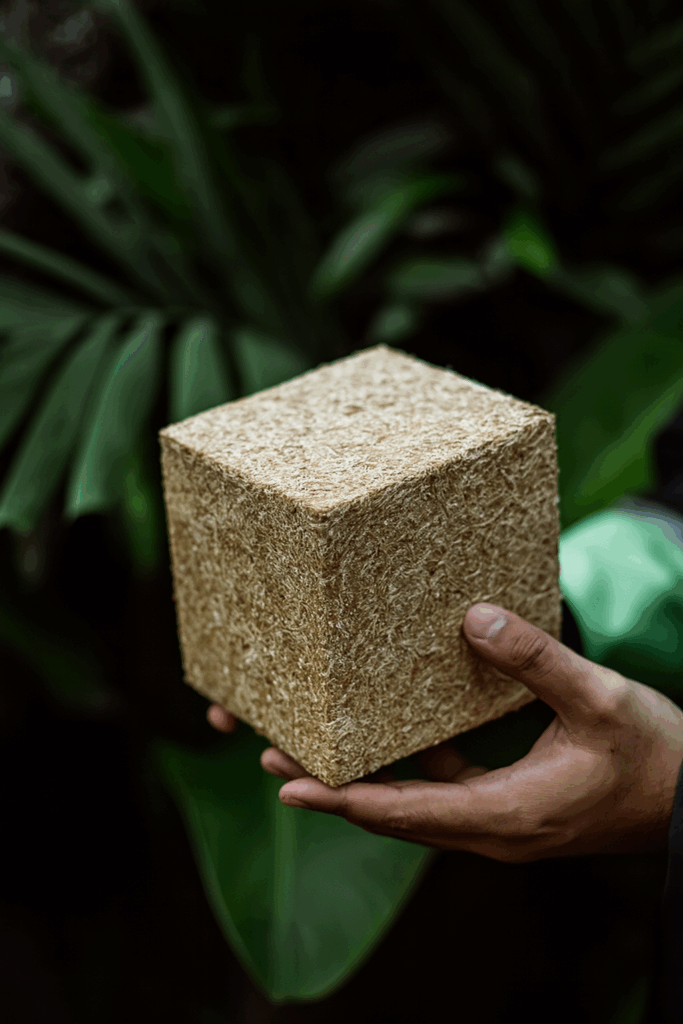
Driven by a first-mover IP edge and Ecuador’s first rural biofabrication model at scale, we redefine how industries source materials. By harnessing diverse biomass streams, we start with packaging and construction applications while laying the foundation for a multi-sector platform that drives systemic change.


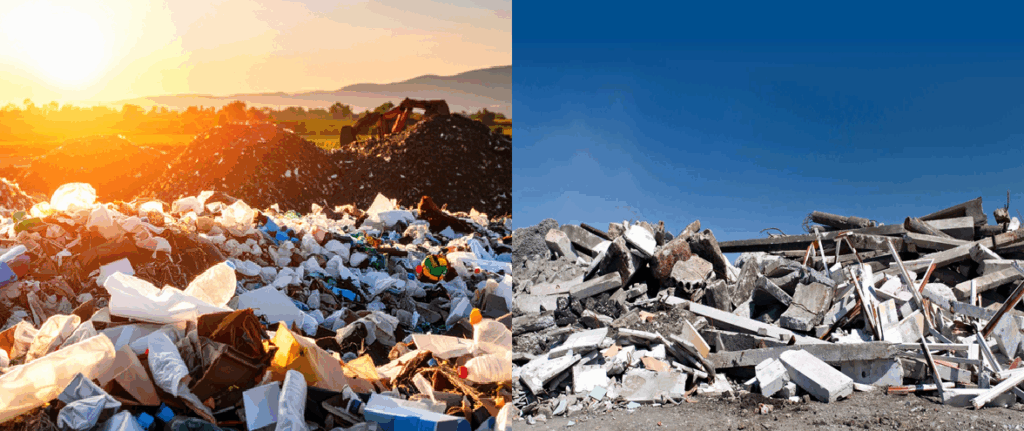
Global Crisis: Why packaging and construction sectors need reinvention?
Major Contributors to Climate Change
Together they generate nearly 40% of global CO₂ emissions, driven by energy-intensive production and extraction of non-renewable resources. As demand increases, most alternatives remain dominated by outdated materials unsuitable for a green transition.
Built for Disposal, Not Circularity
These industries produce millions tons of waste each year, yet only 10% of plastic packaging and up to 20–30% of construction debris is recycled. Most of it ends up in landfills, incinerators, or the environment, accelerating ecological degradation.
Conventional Materials Dominate the Market
Both sectors still rely on EPS, plastics, MDF, and gypsum despite being carbon-intensive and resource-extractive by nature. These legacy inputs block sustainable innovation and fail to meet the growing demand for circular-based solutions.
Local Challenge: Ecuador discards over 6 Mt of banana and coconut residues annually
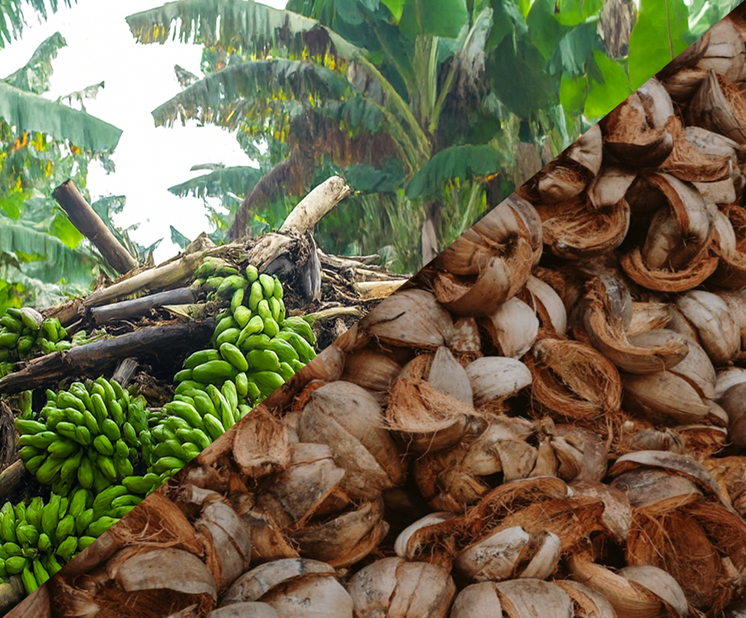
What if this vast stream of residual biomass is
turned into value?
Ecuador holds a unique agroecosystem, offering an unparalleled feedstock base in the region to help regenerate the packaging and construction sectors.
Mission
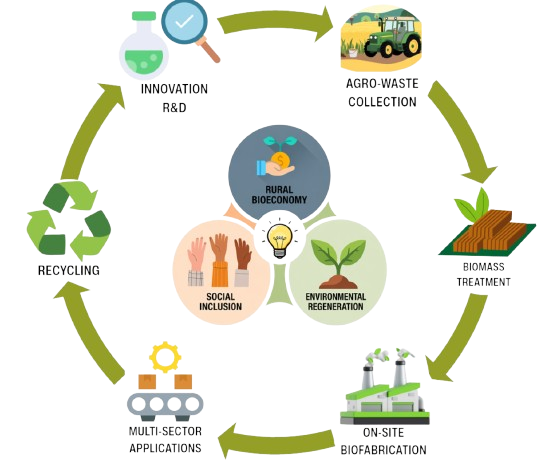
To build a rural-based bioeconomy by upcycling tropical agro-waste into value-added materials via rural hubs. We transform extractive industries, promote sustainable development, and activate circular value chains.

Vision
A world where waste becomes a resource, communities are producers, and sustainable materials set the norm. A greener future shaped by sustainable solutions and regenerative impact anchored in a multi-sector platform.

Values and Proposition
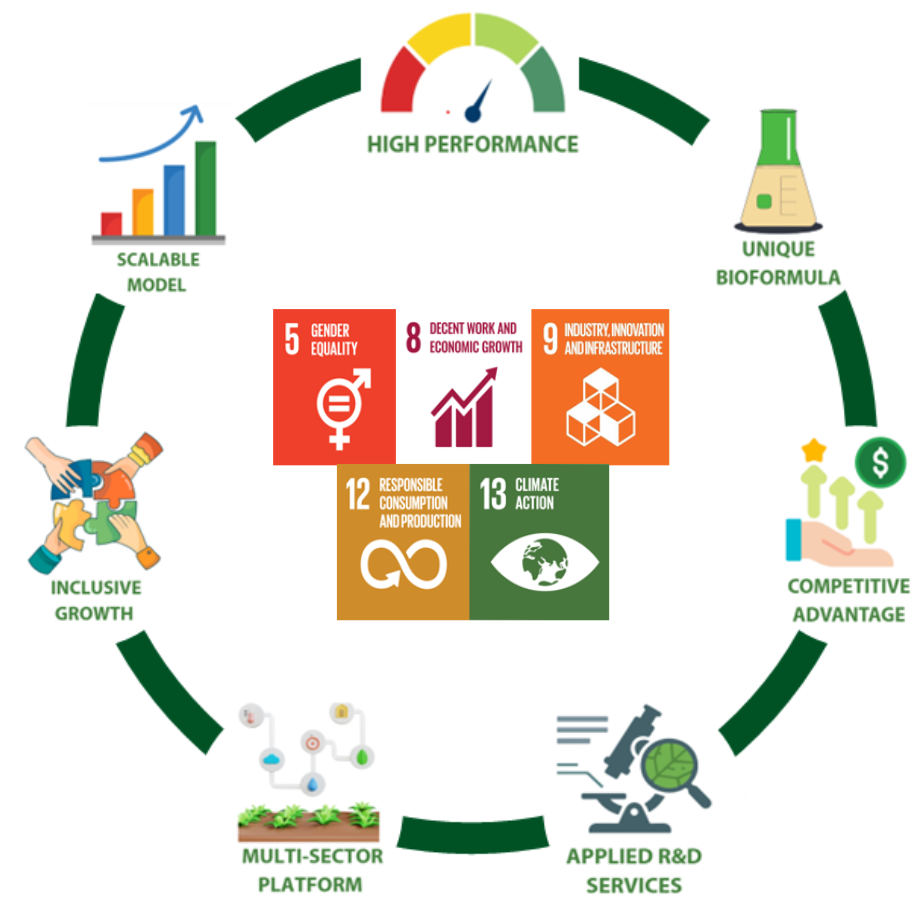
Innovation by nature, collaboration, and inclusivity. Rooted in integrity, transparency, and long-term vision we drive economic, environmental, and social value to accelerate the circular transition.

Circular Growth Model
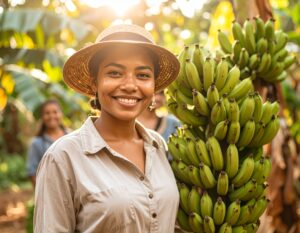
While traditional materials rely on centralized, high-CapEx manufacturing, we pioneer a decentralized alternative: rural biofabrication hubs led by women cooperatives to process industrial-grade biomaterials. This model generates local economic opportunities, enables large-scale production, and drives climate mitigation across emerging regions.